Introduction
Construction projects rarely fit into simple “money in, money out” buckets. Jobs stretch over months, costs fluctuate with material prices and labor availability, and multiple contractors work on different phases at the same time. Without a clear accounting structure, it becomes difficult to know which projects are profitable and which are quietly eroding margins.
This guide explains how construction businesses can track expenses and revenue accurately, so every project is managed with financial clarity—not guesswork.
1. Build a solid job costing system
Every construction project should have its own financial profile. Set up a job costing system that assigns all direct costs—labor, materials, equipment, subcontractors, permits—to individual projects and, where relevant, to specific phases or cost codes.
When costs are captured at this level, project managers can compare real-time spending against estimates, adjust budgets early, and understand exactly where margins are being squeezed.
2. Categorize expenses for meaningful insight
Avoid treating all spending as one lump sum. Break expenses into clear categories such as direct labor, raw materials, subcontractor costs, equipment maintenance, site overheads, and general overhead.
This level of detail makes it easier to see which cost types are rising, control waste, and support cleaner audits and tax filings.
3. Keep vendor and subcontractor records up to date
Construction work often involves a long list of vendors and subcontractors across multiple jobs. Maintain detailed records of purchase orders, contracts, invoices, advances, progress payments, and outstanding balances.
Consistently updated records reduce the risk of duplicate payments, missed credits, and disputes, while making bank and job reconciliations faster and more accurate.
4. Use accounting software built for construction
Generic accounting software can struggle with progress billing, change orders, retainage, and cost codes. Construction-focused systems allow you to tie every transaction to a project, phase, or cost category, and often integrate with project management tools.
Automation for tasks like invoice generation, expense coding, and recurring entries saves admin time and reduces manual errors—critical when multiple projects are running simultaneously.
5. Monitor cash flow, not just profit
In construction, cash rarely moves in a straight line. Clients may pay in stages, but payroll, equipment rentals, and material purchases continue on schedule. Maintain a rolling cash-flow forecast that shows expected inflows and outflows by week or month.
Regularly reviewing this forecast helps ensure you have enough cash to cover commitments, decide when to start new projects, and plan for funding gaps before they become emergencies.
6. Track revenue with milestone or progress billing
Most construction contracts use milestone or percentage-of-completion billing rather than simple one-time invoices. Link your billing schedule to clearly defined stages—such as foundation, framing, or handover—and record revenue as each stage is completed and approved.
This approach keeps revenue recognition aligned with work performed, improves project-level profitability analysis, and supports more accurate forecasting across your pipeline.
7. Record retainage separately and clearly
Retainage—client payments held back until certain milestones or final completion—is common in construction. Record retainage receivable and payable in separate accounts rather than mixing it with regular revenue or debtors.
Clear retainage records show how much cash is still tied up in finished or nearly finished work, preventing confusion when closing projects or negotiating final settlements.
8. Allocate overhead costs across projects
Costs like office rent, insurance, admin staff, and head-office utilities may not relate to a single job but still affect overall profitability. Allocate these overheads to projects using a reasonable method, such as proportionate labor hours, direct costs, or revenue.
This helps you understand true project profitability and set pricing that covers both direct and indirect costs.
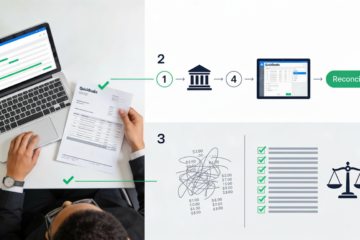
9. Reconcile bank and project accounts regularly
Reconcile bank accounts and key job ledgers at least monthly—ideally more often on large projects. Match deposits, withdrawals, and transfers with project-level records and vendor statements.
Regular reconciliation catches errors, missed entries, and duplicate postings early and ensures that the numbers in reports match the money in the bank.
10. Track equipment usage and depreciation
Heavy machinery is a major investment. Record equipment usage (hours or days), fuel, maintenance, and depreciation by project where practical.
Charging realistic equipment costs to each job ensures bids and margins reflect true resource use and supports better decisions about buying, renting, or replacing machinery.
11. Use clear reporting to guide decisions
Produce a consistent reporting pack—project profitability reports, aged receivables and payables, profit and loss statements, balance sheets, and cash-flow reports.
Review these regularly with project managers and leadership to decide where to adjust pricing, cut unnecessary costs, or reallocate crews and equipment.
12. Rely on audits and professional guidance
Schedule periodic internal reviews or audits to check that expense claims, supplier invoices, and project payments are properly documented and aligned with contracts.
Many firms also benefit from partnering with professionals experienced in construction accounting. Their understanding of cost coding, revenue recognition, and industry-specific controls helps keep projects compliant, on budget, and sustainably profitable.